Most people treat Vitamin D like a harmless winter candy. You feel a bit sluggish in November, walk into a pharmacy, grab the highest strength bottle you can find on the shelf, and start popping 10,000 IU a day.
Bad call.
The Pharmacy Impulse Buy
It's tempting. The bottles are right there next to the multivitamins. Higher number on the label must mean better, right? You've seen influencers recommending mega-doses. A mate at the gym swears by 10,000 IU every morning.
But Vitamin D isn't Vitamin C. You can't just load up on it and let your body flush out whatever it doesn't need. That's the critical thing most people miss — and the supplement industry is perfectly happy not to correct you.
What the UK Guidelines Actually Say
The UK's NHS and SACN (Scientific Advisory Committee on Nutrition) draw a hard line at 4,000 IU per day for adults. That's the tolerable upper limit — not the recommended daily amount. The actual recommendation for most adults is just 400 IU (10 micrograms) per day.
Vitamin D is fat-soluble. That means whatever your body doesn't use immediately doesn't just get peed out. It builds up in your fat tissue. Day after day. Week after week.
Fat-Soluble Means It Accumulates
Unlike water-soluble vitamins (B, C), fat-soluble vitamins (A, D, E, K) are stored in your body fat and liver. Taking excessive amounts doesn't just waste money — it creates a toxic buildup that your body can't easily clear.
What Goes Wrong With Mega-Doses
Over time, taking massive doses pulls calcium from your bones directly into your bloodstream. This triggers a condition called hypercalcemia. The symptoms are not subtle:
- Kidney stones — excess calcium crystallises in your kidneys
- Nausea and vomiting — your body trying to reject the overload
- Heart problems — calcium deposits can affect heart rhythm
- Bone pain — ironically, the thing you were trying to strengthen
- Confusion and fatigue — high calcium levels affect brain function
Not exactly the winter health boost you were looking for.
How Much Do You Actually Need
It depends heavily on your weight, age, and whether you are dealing with a diagnosed deficiency. A 90kg guy lifting weights four times a week needs a completely different daily dose than a breastfed infant.
Speaking of babies — if your infant drinks more than 500ml of infant formula a day, you shouldn't be giving them any extra Vitamin D drops at all. The formula is already fortified. Doubling up is dangerous.
Calculate Your Exact Dose
Figuring out the exact math for your specific situation is annoying. Instead of guessing based on random internet threads, use a Vitamin D Dosage Calculator to get a safe, data-backed daily target based on strict UK guidelines. Plug in your age, weight, and feeding type for a personalised recommendation.
The Vitamin K2 Connection
Here is another thing most supplement brands conveniently forget to mention. If you are taking decent doses of D3, you really need to pair it with Vitamin K2, specifically the MK-7 form.
Think of Vitamin D as the guy who brings calcium into your blood. Vitamin K2 is the traffic cop that tells that calcium exactly where to go. Without K2, calcium can build up in your arteries. With K2, it gets pushed straight into your bones and teeth where it actually belongs.
D3 + K2 Combo
When shopping for Vitamin D supplements, look for products that combine D3 with K2 (MK-7). This ensures the calcium mobilised by Vitamin D gets directed to your bones rather than depositing in your arteries and soft tissues.
The best dietary sources of Vitamin K2 include natto (fermented soybeans), hard cheeses like Gouda, egg yolks, and grass-fed butter. If you're eating a diet rich in these foods, you're already getting some K2 — but most people in the UK aren't eating nearly enough.
What to Do Right Now
Check your current bottle right now. If it says 10,000 IU on the front and you don't have a specific doctor's note telling you to take that massive amount, throw it in the bin.
Grab a standard 2,000 to 4,000 IU dose combined with K2 instead. Your kidneys will thank you.
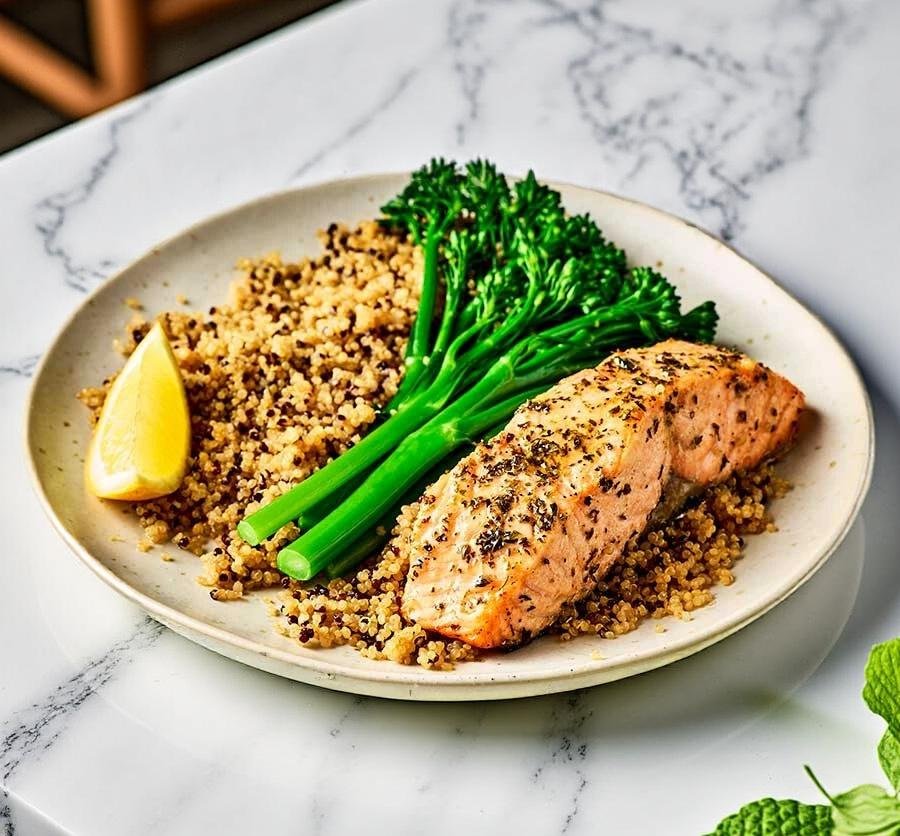
And don't forget the most natural source of Vitamin D — actual food. Fatty fish like salmon and sea bass are packed with it. Egg yolks, mushrooms exposed to sunlight, and fortified foods also contribute. A combination of sensible supplementation and a good diet is always going to beat mega-dosing a single pill.
Bottom Line
More is not better. Stick to 400–2,000 IU daily for maintenance, up to 4,000 IU max. Pair D3 with K2. Get a blood test if you suspect deficiency. And eat more fish.